Unpredictable environments
Real-world settings are loud, crowded and full of surprises that are hard to prepare for.
Adjust this page to suit you. Your choices are saved on this device.
Text size
This site aims to meet WCAG 2.2 level AA. Something not working for you? Email hello@autismolab.com.
An XR therapy platform for autism professionals, made in Doha.
AutismoLab is an extended-reality (XR) therapy platform that lets children with autism practise real-life situations — like a flight, from check-in to landing — in calm, controlled virtual environments, while clinicians guide, adapt and measure every session.
The flight was our first journey. We’re now building a full library of everyday situations and a training academy for the people around each child.
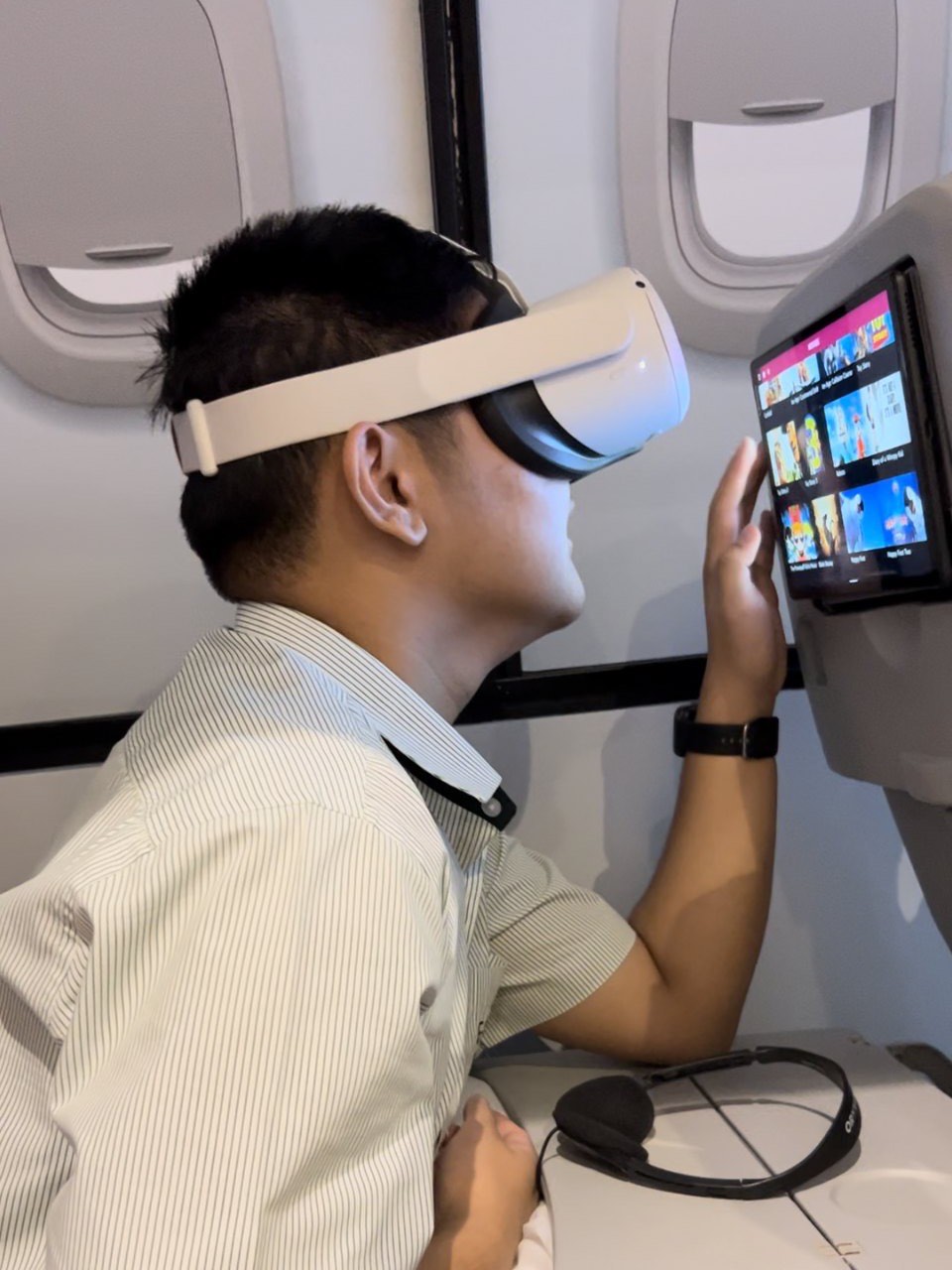
Noise, crowds, announcements, confined seats, strangers. A first flight — or a first day anywhere new — can become something the whole family has to get through, rather than enjoy.
Real-world settings are loud, crowded and full of surprises that are hard to prepare for.
You can’t take a child to an airport ten times before the real journey. Chances to rehearse are rare and costly.
Without session data, therapists and families are left guessing what works and what to try next.
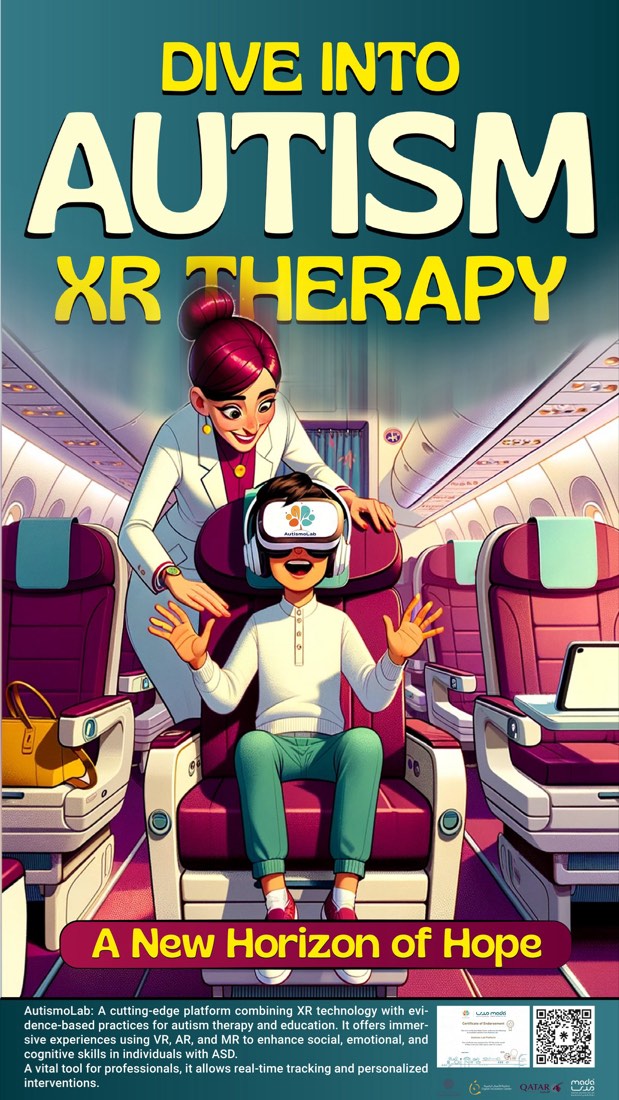
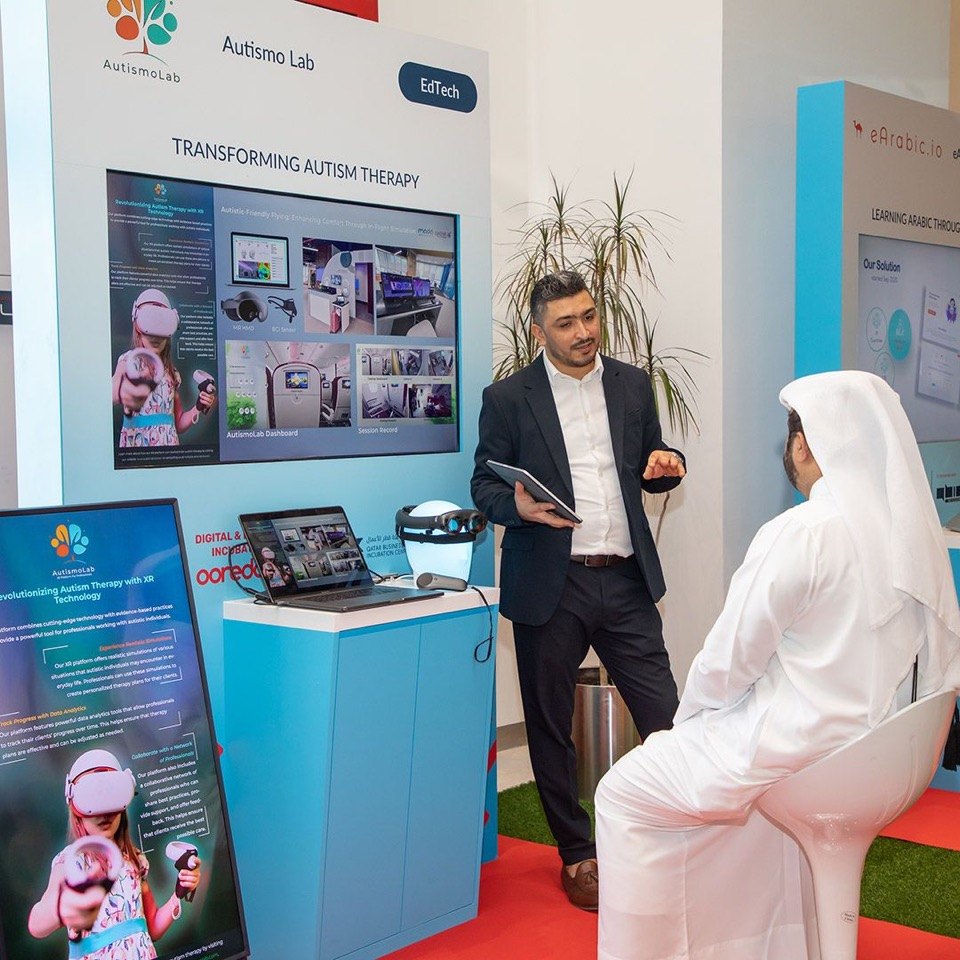
AutismoLab combines virtual reality (VR) and augmented reality (AR) with structured, measurable, therapist-guided exposure. Children rehearse situations step by step, safely, as many times as they need — until the unknown becomes familiar.
Scenarios that clinicians tailor to each child’s goals, sensitivities and pace.
Immersive journeys — like a full flight from check-in to landing — practised in a safe space.
Interactive experiences built around the areas that matter most in daily life.
Launch simulation events and follow the session through a live view of what the child sees.
Session data turns every rehearsal into insight you can track over time.
Shape the next step on evidence from the last one — instead of guessing.
Try it yourself
This is how a child moves through a rehearsal. Choose each step and adjust the sound and the crowd, as a therapist would. You can also listen to the cabin — nothing moves or plays unless you choose it.
Real airport and cabin recordings. Soft plays only the background — the terminal, the cabin and the engines. Busy adds the pilot and safety announcements and the landing gear. “People around” changes the crowd. Sound plays only while this section is on screen and stops as soon as you scroll up or down.
In a real session the child wears a headset in the cabin or at the clinic, and the therapist sets these levels from the dashboard.
More than a flight simulator
The aircraft cabin proved the idea. The new platform grows it into a library of journeys — each built with therapists, tested with families and paced by the professional in the room.
| Journey | What the child rehearses | Status |
|---|---|---|
| Air travel | Check-in, security, boarding, take-off and landing — in a real cabin and in XR | Available now |
| School life | The first day, bells and transitions, assembly, the lunch hall | On the roadmap |
| Medical & dental visits | The waiting room, a check-up, the dentist’s chair, a vaccination | On the roadmap |
| Everyday places | The supermarket, a restaurant, the mall, a haircut | On the roadmap |
| Getting around | The metro and bus, a taxi, crossing the road, crowds | On the roadmap |
| Social skills & communication | Greetings, taking turns, asking for help, joining play | On the roadmap |
| Emotional regulation | Noticing body signals, calming strategies, sensory breaks | On the roadmap |
| Safety & independence | Getting lost, a fire drill, paying for things, a first job visit | On the roadmap |
Roadmap journeys are planned and may change as we learn. Tell us which situations are hardest for your children, students or clients — it decides what we build next.
For clinicians
The AutismoLab clinician dashboard brings the whole session into one place, so the therapist stays in control while the child explores.
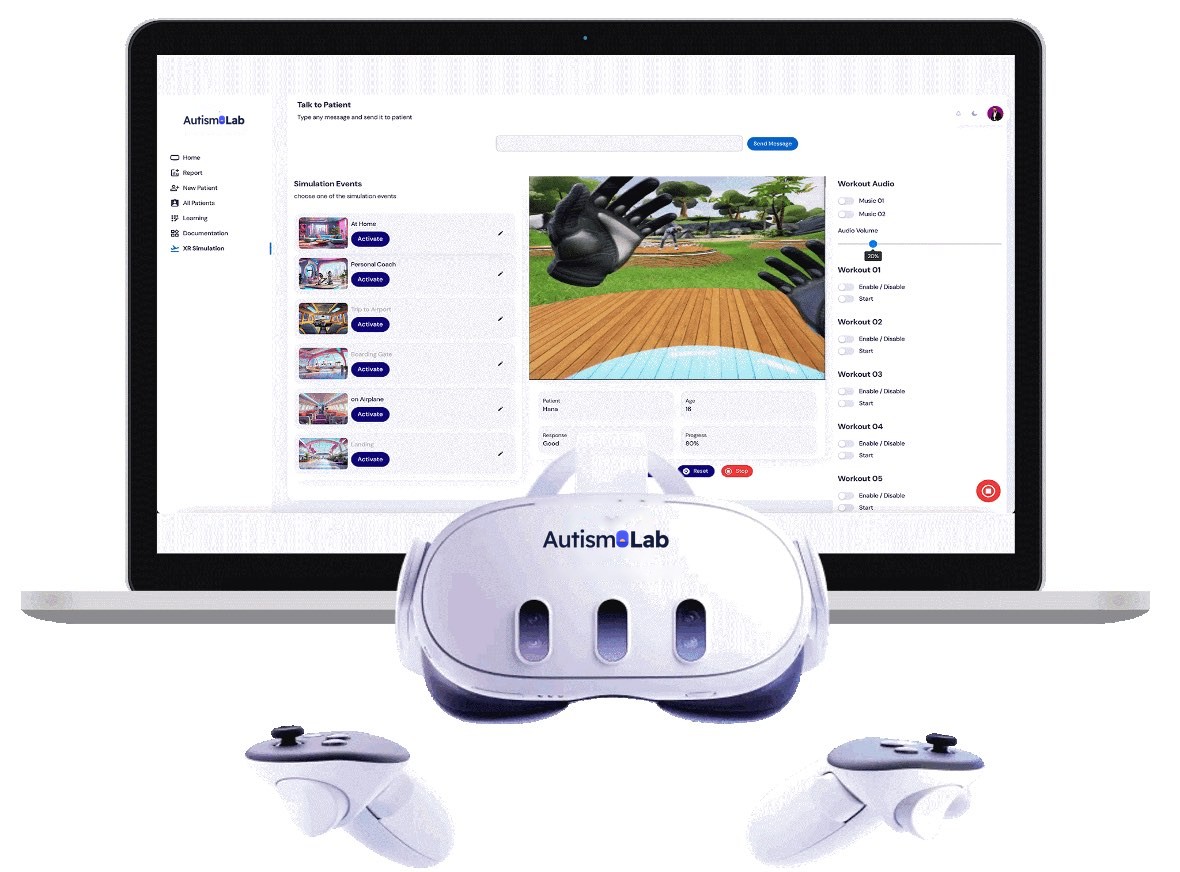
Every session is structured, repeatable and guided by a professional.
The therapist sets goals and chooses a scenario adapted to the child.
The child practises the situation in XR, at their own pace, in a safe space.
Through the live view, the therapist adjusts the session as it happens.
Session data shows what is working and shapes the next rehearsal.
Our clinical approach
Technology only helps when it respects how each autistic child experiences the world. These principles shape every journey we build and every session a therapist runs.
A child can pause or stop at any moment. Signs of distress end the step — never push through. Willingness to continue matters as much as progress.
Exposure is graded: watch the cabin first, then sit in the seat, then hear the engines. Each step is repeated until it feels ordinary.
The therapist can lower volume, soften light, reduce crowds and slow announcements, then bring them back as the child is ready.
Short sessions with the same shape every time, a visual schedule shown in advance, and breaks built in.
XR is a rehearsal, not the destination. Each plan ends with a real-world step — a visit to the airport, a social story at home, the actual trip.
Headset use follows the manufacturer’s age guidance and the clinician’s screening — including seizure history and motion sensitivity. Some children start with a screen instead.
We co-design with therapists, families and autistic adults. Language matters too: we use both “autistic people” and “people with autism”, and follow each person’s preference.
AutismoLab Academy · in preparation
Rehearsal works best when everyone around the child speaks the same language. The Academy will bring practical courses and free resources in Arabic and English for professionals, schools and families.
Flagship experience
It began with one question: what if a child with autism could live the flight before the flight?
The answer became a real aircraft cabin at Mada Center, built with the support of Qatar Airways and combined with XR experiences that walk each child through the whole journey.
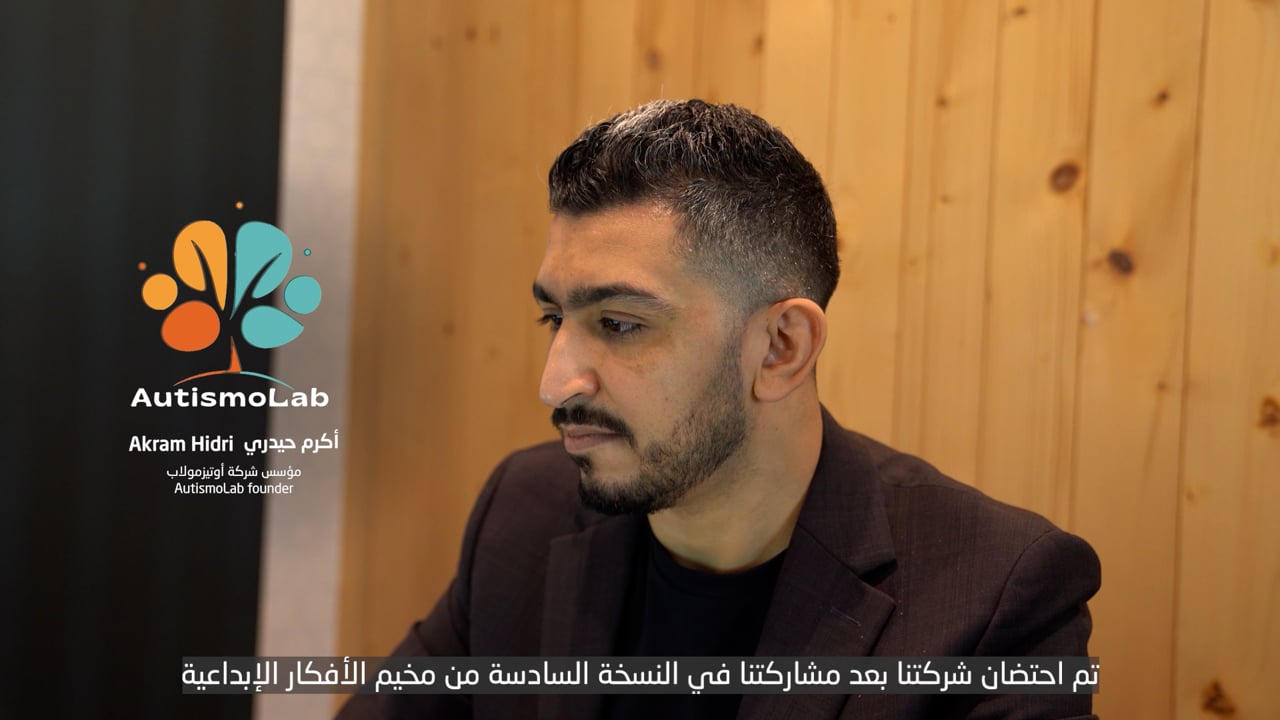
Akram Hidri on the flight simulator journey · 1 min 9 s · In Arabic, with Arabic on-screen text
“What I am most proud of is that a mother could watch her son sit in a real aircraft seat, calm, wearing a headset, practising a journey his family thought he would never take.”
The journey so far, seen through the window
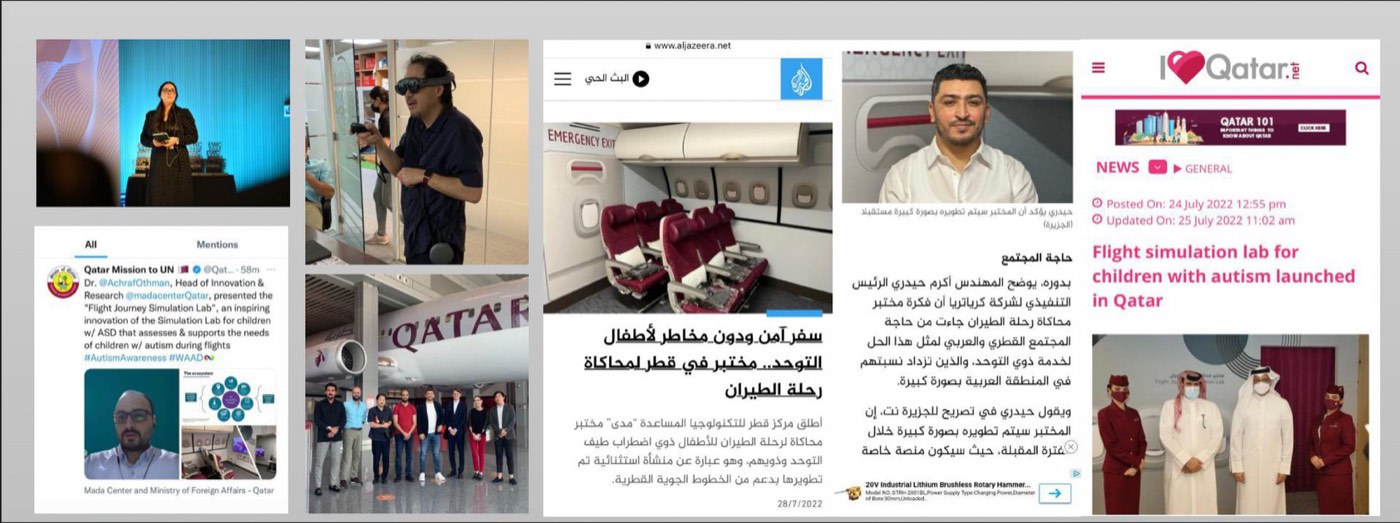
The flight simulation experience has been studied by researchers in Qatar. Early findings are encouraging — and they also point to where the next scenarios should go.
A pilot study with five autistic children found that VR may trigger positive emotions and support experiential learning, and that the simulation offered an accurate aviation experience.
Read on IEEE Xplore (opens in a new tab)Expanded findings suggest VR can help children feel more at ease and emotionally prepared for travel-related stress, and call for more varied and complex scenarios.
Read on Nafath (opens in a new tab)These are pilot studies with small samples. AutismoLab supports — and does not replace — professional assessment and therapy. We welcome research partners to study new journeys: see collaboration options.
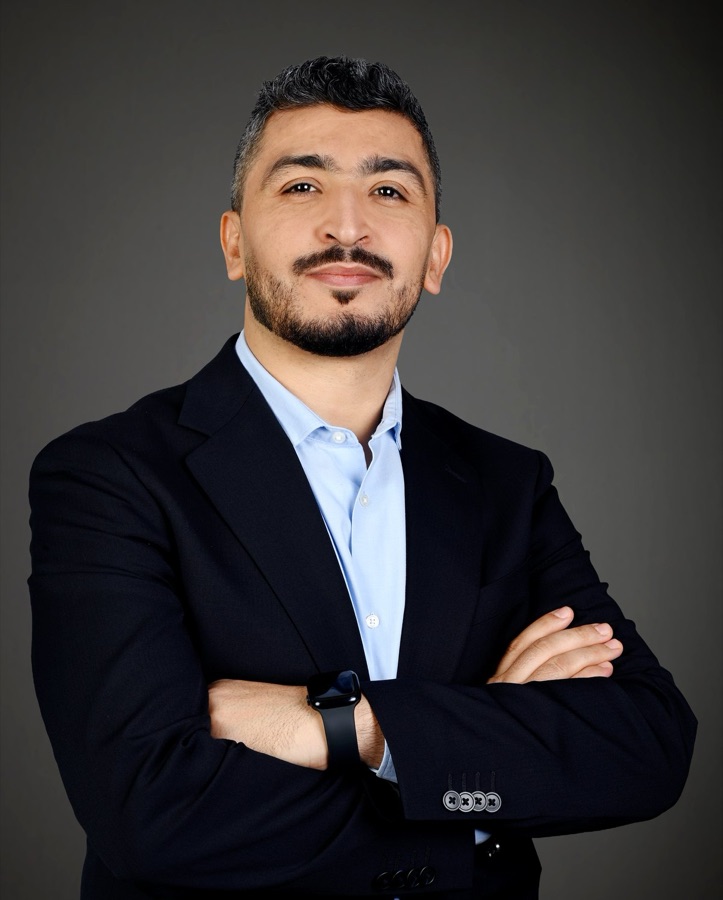
The founder
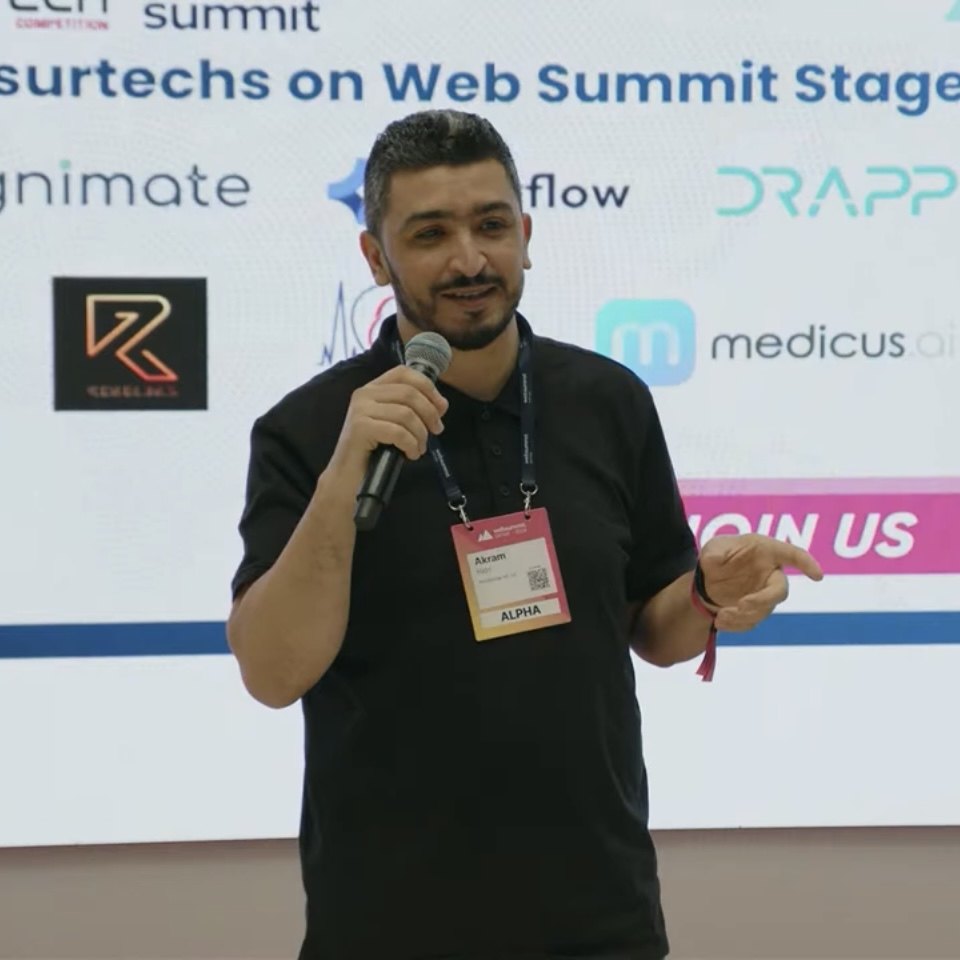
Akram started his career with his hands on machines — as an aircraft mechanic on the Airbus A320 family at Tunisair Technics, where precision is a requirement, not a preference.
He retrained as a designer, earned a Master’s in Space Design and delivered more than 50 interior and product projects before founding the immersive-tech studio Creatrea in 2019. With his team, he spent three years at Mada Center designing the Flight Journey Simulation Lab — the project that became AutismoLab. He is also the founder of MindBridge XR.
“Even when you can’t reach your own dream yet, you can build someone else’s.”
From a question asked at Mada Center to a real aircraft cabin, national press coverage, and a startup pitching on the world’s biggest stages.
Read the story (opens in a new tab)Register your interest for early access and pilot programmes. Tell us your role and the situations that matter most — we’ll invite you as access opens.
Investors, sponsors, foundations and research partners: see how you can fund new journeys, the Academy and regional rollout.
Short, plain answers about AutismoLab. Can’t find what you need? Get in touch.
AutismoLab is an extended-reality (XR) platform for professionals who work with children with autism. Using virtual and augmented reality, children rehearse real-life situations step by step in a calm, safe space, while the therapist guides the session and tracks progress.
No. The flight was our first journey and proved the approach. The new platform adds a growing library of everyday situations — school, medical visits, everyday places, getting around, social skills and emotional regulation — plus an Academy of training and resources for professionals, teachers and families.
We’re building it now. Register your interest with the “Access the platform” button and we’ll invite you as early access and pilot programmes open. Centres can also book a demo of the current system.
Therapists, clinics, schools and special-needs centres. Families can take part through their child’s therapist, and airlines, airports and public venues can use it to help travellers and visitors with autism prepare.
Not always, and no child should be pushed into it. Headset use follows the manufacturer’s age guidance and the clinician’s screening, including seizure history and motion sensitivity. Some children start with a screen, a video or a social story instead, and sessions stop whenever the child wants.
No. AutismoLab is a tool for professionals. It supports — and does not replace — professional assessment and therapy.
Today, families take part through their child’s therapist or centre. We’re exploring a home-practice companion that therapists can assign, and free Academy resources for families are part of the plan.
A real aircraft cabin at Mada – Qatar Assistive Technology Center, built with the support of Qatar Airways and launched in July 2022. With XR, children practise every step of a flight — check-in, boarding, take-off and landing — before travelling for real.
AutismoLab was incubated from 2022 at the Digital Incubation Center (DIC) of Qatar’s Ministry of Communications and Information Technology (MCIT) and graduated from its Idea Camp programme. The flight lab was developed at Mada Center with the support of Qatar Airways.
Visit our investors & partners page to see the options — investment, sponsoring a journey, grants, research collaboration and pilot sites — and request our investor deck.
Use the contact form on this page or email hello@autismolab.com. You can write to us in English or Arabic.
Get in touch
Book a demo, explore a pilot programme or partner with us. Tell us a little about you and we’ll get back to you.
Interested in investing or sponsoring? Use the investor form.
Thank you for getting in touch. We’ll reply to you by email as soon as we can.
Thank you for registering your interest. We’ll email you when early access opens, and we may ask a few questions about what your community needs most.